Spring Planning for Brick Repair and Restoration Projects
Spring is the perfect time for property owners to connect with local contractors for brick repair and restoration projects that enhance curb appeal and durability.
Spring is a popular season for brick repair and restoration projects because the warmer weather and longer daylight hours create ideal conditions for outdoor work. After the colder months, many property owners notice cracks, crumbling mortar, or other damage that may have occurred over winter. Addressing these issues in spring allows for repairs to be completed before the more active summer months, helping to maintain the structural integrity and appearance of buildings and outdoor features. Additionally, spring offers a fresh start for property improvements, making it an opportune time to plan restoration work that enhances curb appeal and preserves the value of a property.
Brick repair and restoration services typically cover a range of tasks aimed at restoring the strength and aesthetic appeal of brickwork. Common services include repointing mortar joints, replacing damaged or missing bricks, cleaning and sealing surfaces, and addressing structural issues caused by settling or weathering. These services help prevent further deterioration, improve the overall look of brick surfaces, and extend the lifespan of masonry features such as walls, facades, walkways, and chimneys. Skilled local contractors assess the condition of existing brickwork and recommend appropriate solutions to ensure durability and visual consistency.
When comparing local contractors for brick repair and restoration, property owners should consider experience, reputation, and the scope of services offered. It’s helpful to review previous work or request references to gauge the quality of craftsmanship. Checking for proper licensing, insurance, and certifications can provide additional confidence in a contractor’s professionalism. Comparing a few local options allows property owners to ask questions about their approach, materials, and project management practices, ensuring they select a service provider that aligns with their specific needs and expectations. This careful comparison helps to identify the most suitable professionals for restoring brickwork effectively and reliably.
Compare local contractors' expertise and experience to choose the best team for your spring brick repair and restoration needs.
- Assessing Damage - Local contractors can evaluate brick surfaces to identify cracks, deterioration, and structural issues.
- Surface Preparation - Service providers prepare damaged brick areas to ensure proper adhesion and a seamless repair.
- Restoration Techniques - Professionals utilize appropriate methods to restore the appearance and stability of brickwork.
- Preventive Maintenance - Local pros offer advice and services to help maintain brick integrity during seasonal changes.
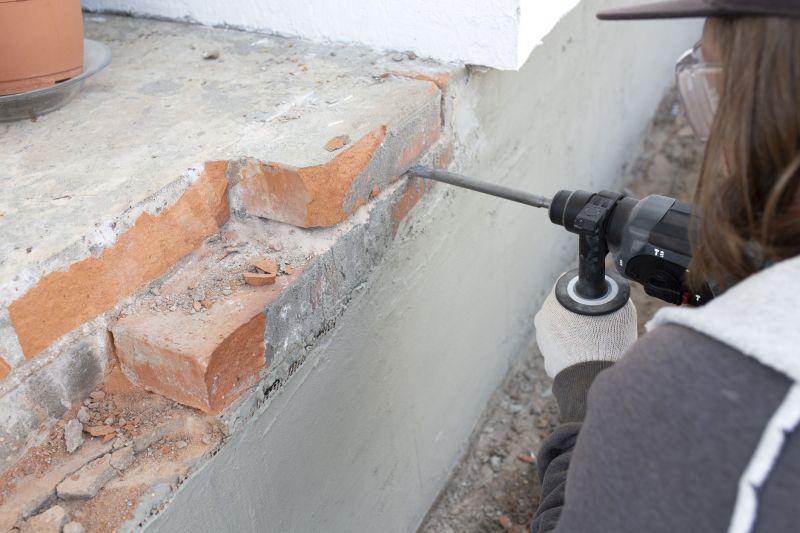
Start by clearly describing your brick repair and restoration project to help local contractors recommend the best options.
- Assess mortar joints for cracks or deterioration - look for signs of crumbling, gaps, or missing mortar that may need repair.
- Examine brick surfaces for spalling or surface damage - identify areas where bricks are cracking, chipping, or flaking.
- Check for moisture intrusion or efflorescence - look for white, powdery deposits or water stains that indicate underlying issues.
- Inspect for loose or displaced bricks - identify any bricks that are shifting, loose, or no longer aligned properly.
- Evaluate the condition of brick pointing and sealing - ensure joints are properly sealed and free of gaps to prevent water infiltration.
- Consider underlying structural concerns impacting the brickwork - look for signs of foundation movement or settling that may affect brick stability.
Use this as a starting point to explore how local contractors can help refresh and restore brickwork this spring season.
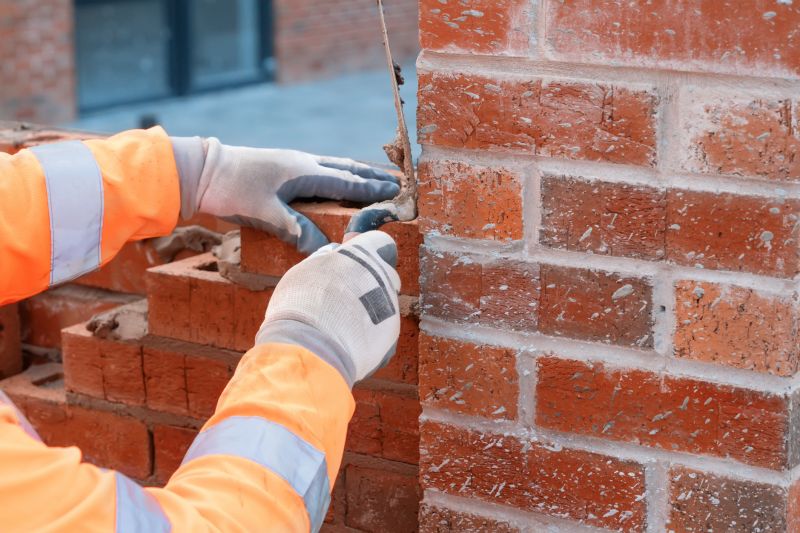
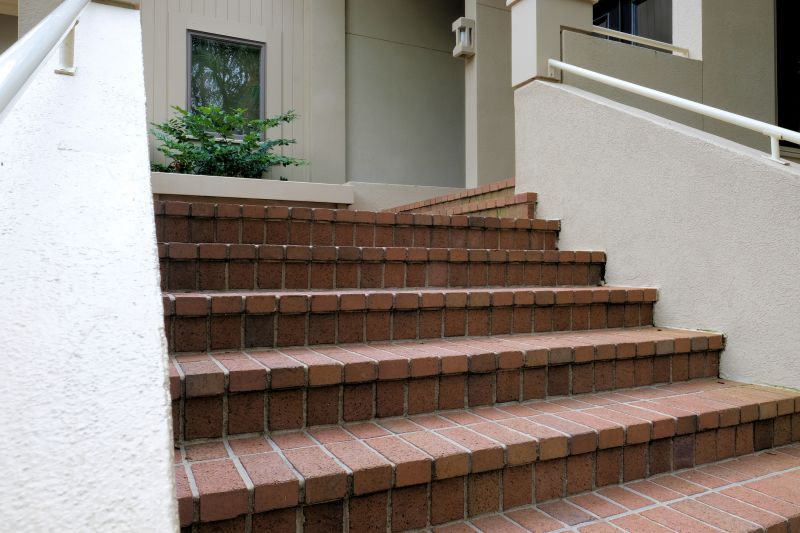
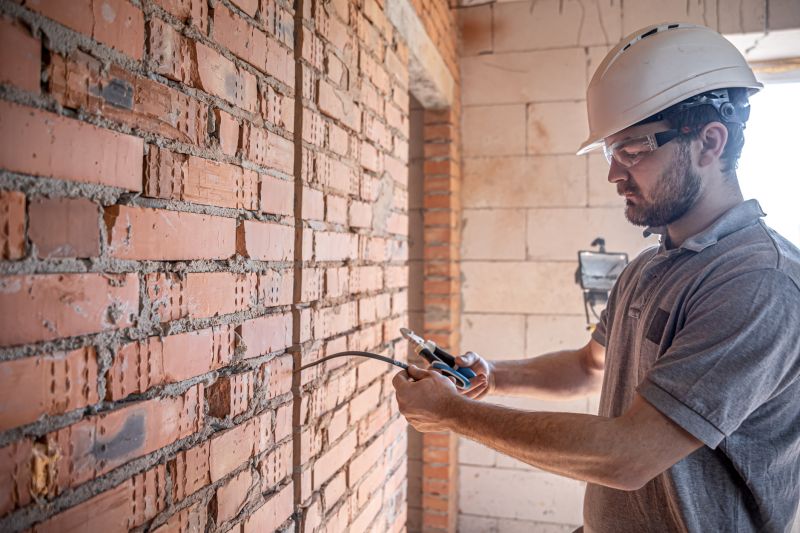
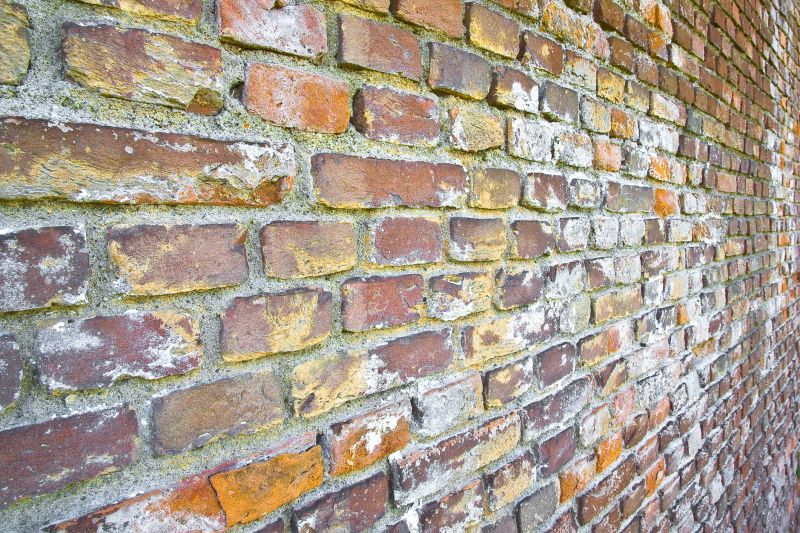
Plan your spring brick repair projects by setting priorities and comparing local contractors to find the best fit.
- Brick Repair - Spring is a prime time for repairing damaged or deteriorating bricks to improve a building’s appearance and stability. Local contractors can assess and address cracks, chips, or loose bricks to ensure structural integrity.
- Repointing Masonry - Repointing involves renewing the mortar joints between bricks, which can become weathered over time, especially after winter. Service providers can restore the mortar’s strength and appearance for a fresh, clean look.
- Cleaning and Restoring - Spring cleaning of brick surfaces helps remove dirt, moss, and stains accumulated during colder months. Experienced pros can use appropriate cleaning methods to restore the original color and appearance of brickwork.
- Sealing and Waterproofing - Applying sealants in spring helps protect brick surfaces from moisture and weather damage throughout the year. Local contractors can recommend suitable waterproofing solutions to extend the lifespan of brick structures.
- Historic Brick Restoration - Spring offers an ideal opportunity for restoring historic brickwork to preserve architectural character. Specialists can carefully repair and restore aged bricks while maintaining the building’s original style.
Compare local contractors' scope options to ensure consistent quality and coverage for your spring brick repair and restoration projects.
- Assessment of Damage - Define the extent and type of brick damage requiring repair or restoration.
- Material Compatibility - Identify the appropriate types of mortar, brick, and other materials suitable for the existing structure.
- Repair Techniques - Determine the specific methods and procedures needed to restore or repair brickwork effectively.
- Surface Preparation - Establish the necessary steps for cleaning, removing damaged mortar, and preparing surfaces for repair.
- Finish and Preservation - Clarify the desired aesthetic and protective treatments to ensure long-term durability of the restored brickwork.
Spring is an ideal season for brick repair and restoration projects, as warmer weather and longer daylight hours create favorable conditions for outdoor work. Homeowners considering these services during spring should evaluate the experience of local contractors with similar projects. It’s helpful to inquire about their background in restoring or repairing brickwork comparable to the scope of the planned project, whether addressing cracked or damaged bricks, repointing, or restoring historic features. An experienced service provider will have a track record of handling various brick repair challenges, ensuring that the work aligns with the specific needs of the home’s exterior.
Clear communication about the scope of work is essential when comparing local service providers. Homeowners should seek contractors who provide detailed descriptions of the planned repairs or restoration efforts, including the methods and materials to be used. A well-defined scope helps prevent misunderstandings and ensures that expectations are aligned. When discussing potential projects, it’s beneficial to ask for explanations of the process, the extent of the work, and any necessary preparatory or finishing steps, enabling a more informed evaluation of each contractor’s approach.
Work planning considerations become particularly important during spring, as unpredictable weather can impact project timelines. Homeowners should consider how local contractors plan their work around seasonal conditions, including scheduling flexibility and contingency measures. Inquire about how they manage site preparation, weather-related delays, and coordination with other outdoor projects. A contractor with a well-thought-out plan can help ensure that the brick repair or restoration progresses smoothly, minimizing disruptions and maintaining quality despite seasonal challenges.
Evaluating options for brick repair and restoration involves assessing the experience, scope clarity, and work planning strategies of local service providers. Homeowners are encouraged to review their project portfolios, ask detailed questions about their methods, and understand their approach to seasonal scheduling. By focusing on these key factors, it becomes easier to identify service providers who are well-equipped to handle springtime projects effectively. This approach helps ensure that the chosen contractor can deliver results that meet the home’s aesthetic and structural needs, setting the stage for a successful repair or restoration effort.
Request written scope details from local contractors to ensure clarity and consistency for your spring brick restoration project.
- Assessing Service Scope - What specific brick repair and restoration services do local contractors offer for spring projects?
- Comparing Experience - How do different service providers’ expertise and experience levels align with spring-focused brick restoration needs?
- Evaluating Materials - What types of bricks and restoration materials do local contractors typically use for seasonal repairs?
- Understanding Process - How do local pros approach planning and executing brick repairs during springtime conditions?
- Determining Specializations - Which service providers specialize in brick restoration projects suited for spring renewal efforts?
What causes brick damage over time? Brick damage can result from exposure to moisture, freeze-thaw cycles, settling, or general wear and tear, especially after harsh weather conditions common in spring.
How can brick deterioration be identified? Signs of deterioration include cracked bricks, crumbling mortar, efflorescence, or loose bricks, which may indicate the need for repair or restoration.
What are common brick repair methods? Repairs often involve replacing damaged bricks, repointing mortar joints, or sealing bricks to prevent further moisture intrusion, depending on the extent of damage.
Why is restoration important during spring? Spring is an ideal time for brick restoration to address winter-related damage and prepare surfaces for the upcoming seasons, enhancing curb appeal and structural integrity.
What types of brick restoration services are available? Services can include cleaning, repointing, crack repairs, and sealing, all performed by experienced contractors to restore the appearance and stability of brickwork.
How do local contractors ensure quality brick repair? Experienced service providers assess the condition of bricks and mortar, then use appropriate techniques and materials to ensure durable, long-lasting results.
As spring encourages homeowners to refresh and restore outdoor spaces, understanding the options for brick repair and restoration becomes essential. Visitors have learned about the importance of timely maintenance, the variety of techniques available, and how experienced local contractors can help bring their projects to life. Comparing different service providers can ensure the right fit for specific needs, making it easier to find trusted expertise in the area.
Using the quote form to connect with local service providers offers a convenient way to explore available options for brick repair and restoration. This process helps identify qualified local contractors who can assist with seasonal projects, giving homeowners the opportunity to make informed decisions based on their unique requirements.
Providing clear details about your brick repair and restoration project helps local contractors understand your needs and plan effectively.
- Types of Repairs - Share details about specific brick repair or restoration needs, such as crack filling, repointing, or surface cleaning.
- Material Preferences - Indicate any preferred brick types, colors, or finishes to match existing structures.
- Project Scope - Describe the extent of the work, including areas to be repaired or restored and any structural concerns.
- Location Details - Provide information about the property’s location to help local contractors assess and prepare for the project.